

Choosing the right hiking backpacks for women is one of the most important decisions any outdoor adventurer can make. A well‑fitted pack can make long treks feel smooth and even fun, while the wrong one can cause discomfort, fatigue, and cut a trip short. As backpack technology evolves and brands bring out innovations, knowing what to look for becomes essential for hikers of all levels.
Recent reviews and gear reports show that outdoor brands are developing designs that balance comfort, durability, and practical features tailored to women’s bodies and diverse hiking styles. Whether planning short day hikes or multi‑day expeditions, women now have access to backpacks that offer better fit, smarter load distribution, and thoughtful organization that supports every kind of trail adventure.
This guide will unpack why women‑specific backpacks matter, how to choose the right pack for your needs, the best hiking backpacks for women on the market, and what to know about today’s leading hiking backpack brands.
Why Women’s Hiking Backpacks Matter
When selecting a hiking backpack, many people default to a unisex or standard pack without realizing that backpacks designed specifically for women often offer a more comfortable fit. Women’s backpacks take into account differences in torso length, hip shape, and shoulder width, which can make a significant difference on longer trails. Female‑specific designs help distribute weight more evenly and reduce pressure points that lead to discomfort or pain.
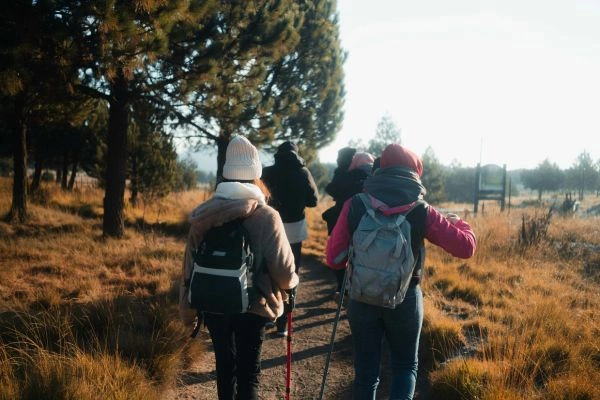
Comfortable fit becomes even more important on longer trips where packs may be loaded with water, food, and camping gear. Brands that focus on women’s designs often include adjustable harnesses, contoured hip belts, and ventilation systems tailored to women’s bodies. These details can seem small at first glance, but they are what make a backpack feel like a natural extension of the body rather than extra weight to lug around.
Properly designed packs can also improve posture and reduce fatigue. Women often have different center‑of‑gravity considerations, and women‑specific backpacks adjust harnesses and support systems accordingly. This can make a real difference, especially on rugged terrain or when carrying heavier loads over long distances.
How To Choose The Right Hiking Backpack
Choosing the right hiking backpack depends on several key factors:
Capacity And Intended Use
Understanding how much gear you usually carry is the first step. Smaller packs in the 15 to 35 liter range are perfect for day hikes or minimalist adventures. These packs give you enough space for essentials like water, snacks, and layers without weighing you down.
For overnight or multi‑day trips, backpacks with a 40 to 65+ liter capacity provide room for sleeping bags, clothing, food, and extra gear. Having a bigger pack doesn’t always help. Overpacking can easily happen when a pack has extra volume, so choosing the right size for your typical trips helps avoid unnecessary weight and bulk.
Think about the typical length and difficulty of your hikes. If you’re often headed out for long days with unpredictable weather, having a pack that accommodates rain gear, extra clothing, and food is wise. For weekend adventures, a mid‑range pack often offers the best balance of room and weight.
Fit And Comfort
The fit matters more than the raw size. Since women’s torso lengths vary, a backpack that fits one person well may feel uncomfortable for another. Adjustable harnesses, hip belts, and suspension systems help customize the fit. If possible, try packs on in person with some weight added to simulate real conditions. This helps assess comfort under load, which is crucial because what feels comfortable empty may feel quite different once packed. Expert reviews emphasize trying backpacks with weight because it reveals how the fit supports your back and hips in motion.
Weight And Load Distribution
Lightweight materials help reduce fatigue, but they should not sacrifice support. Internal frame designs or suspension systems that shift the load toward the hips make long hours on the trail much easier. Good load distribution can reduce strain on shoulders and help maintain good posture over rough terrain. Suspension systems designed for women may include specific padding placement or cut lines that reduce pressure points.
Features And Organization
Look for backpacks with thoughtful organization, like multiple compartments, side pockets for water bottles, hip belt pockets for snacks, and hydration system compatibility. Compression straps help secure loads and keep gear stable while hiking. Features like easy‑access zippers or front panel loading can make a big difference on long days. Storage should make sense for the gear you carry most often. A well‑designed pack prevents gear from becoming buried deep in the main compartment.
wp_GAM_ADS_InPost2_shortcode
Best Hiking Backpack Brands Performing This Season
Several hiking backpack brands stand out based on recent expert reviews and user feedback. These companies combine thoughtful design with proven performance in the field.
Osprey
Osprey is widely regarded as one of the leading brands when it comes to women‑specific packs. Their designs often focus on comfort, adjustability, and balanced load distribution. Osprey regularly updates its lineup with lightweight, ergonomic choices that fit a wide range of hiking styles. Packs like the Osprey Aura AG series use advanced suspension systems that hug the back and support heavier loads with minimal strain, helping reduce fatigue over long distances.
Gregory
Gregory backpacks are known for their ergonomic design and comfort on rugged terrain. Their women’s packs are praised for thoughtful storage and durable construction that performs well under extended use. Many hikers prefer Gregory for multi‑day trips because of its supportive harness systems and organization features that keep gear accessible.
Deuter
This German brand earns praise for sturdy backpacks that offer excellent comfort and durability across different trails and weather conditions. Deuter’s SL (Slim Line) models are specifically designed with women’s body shapes in mind, offering a contoured fit and ventilation systems that make hikes more enjoyable. Deuter packs often incorporate technologies that keep the pack stable and breathable, which is especially helpful in warmer climates or long ascents.
YETI
YETI is a newer player in the serious hiking gear space. Its Skala hiking backpack line includes sizes for day and multi‑day trips, with weather‑resistant materials, supportive frames, and women’s specific harnesses and straps. These backpacks are designed with load management and comfort in mind, bringing YETI into competition with more established outdoor brands.
REI And Outdoor Co‑ops
Outdoor co‑ops like REI curate quality backpacks from trusted brands and their own in‑house REI Co‑op line. These packs often strike a strong balance of value and performance, making them a good choice for both beginners and experienced hikers. REI’s FlexVent suspension system, for example, is known for its breathable padding and excellent comfort on long treks.
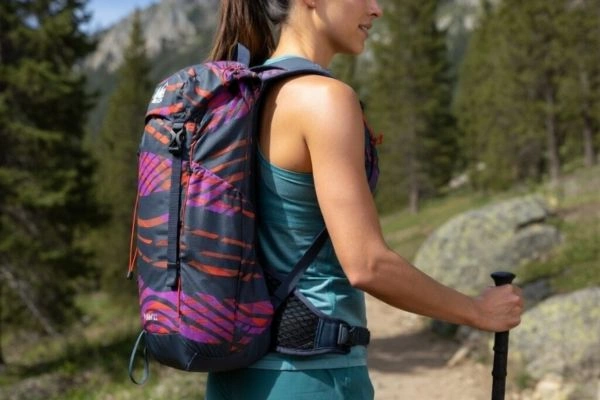
Top Picks: Best Hiking Backpacks For Women
Below are some of the most recommended and verified women’s hiking backpacks based on expert gear review sites and real user feedback:
1. Osprey Kyte 38L Woman Backpack
A classic women’s backpack that balances weight and comfort for day hikes and light overnight trips. This pack offers excellent organization and adjustable straps that help center the load just right, making long walks less tiring.
2. Osprey Renn 65 Woman Backpack
Great for longer adventures, this 65‑liter backpack provides plenty of space without feeling overly bulky. Its comfortable harness system and durable build keep gear secure over rough terrain and long distances.
3. Mystery Ranch Women’s Radix 47
Though smaller in capacity than some others, this pack stands out for its high comfort rating and thoughtful design. Mystery Ranch is known for rugged, flexible packs that handle both day hikes and extended excursions well.
4. Gregory Maven 55 Rosewood Red 55 L
A top choice for multi‑day hikes, this pack offers ample room and excellent load distribution. Its high user rating reflects comfort and durability on extended journeys.
5. Gregory Kalmia 60 Rc Woman Backpack
This mid‑to‑large pack delivers a balance of space, support, and adjustability. The ergonomic design helps reduce strain even with heavier loads.
6. Gregory Jade 43 Women’s Hiking Pack
A versatile and reliable backpack that works well for weekend trips or everyday trail hikes. Its women‑specific fit improves comfort on longer days.
7. Deuter Futura 25L SL Backpack
An excellent lightweight choice for shorter hikes and day use. The SL line from Deuter ensures a comfortable shape while keeping overall weight low.
8. mammut Lithium 20
Compact but capable, this pack is good for shorter hikes or as a supplemental pack for larger journeys. Its high user rating reflects durability and everyday comfort.
Size Guide: How Much Backpack Do You Need?
Choosing the right size backpack comes down to how long you expect to hike and how much gear you carry.
- Day Hikes (15–35 liters): Perfect for essentials like snacks, water, layers, and personal items.
- Overnight/Multi‑Day Hikes (40–65 liters): Allows space for sleeping gear, food, clothing layers, and accessories.
- Extended Backpacking Trips (65+ liters): Best for trips with heavier loads or group gear sharing.

A practical way to decide is to list everything you think you need and try packing it in a similar pack size. If gear barely fits or struggles to stay organized, step up to the next size. If you find lots of empty room, a smaller pack might be more efficient and lighter.
Fit Tips For Better Comfort
Getting the right size is not just about capacity. Women’s torso lengths vary, so choose a backpack that lets you adjust shoulder straps, hip belts, and harnesses. Look for packs with mesh back panels to improve airflow and reduce sweat build‑up, and adjustable straps that are easy to tweak while hiking. Trying on packs in person can make a big difference because what feels good in a store might feel different once you’re loaded and walking.
Some hikers recommend visiting a local outdoor store where staff can measure your torso and help fit a pack around your actual body dimensions. Packing weight and torso match help avoid painful pressure points during long adventures.
Care And Maintenance For Longevity
A backpack is an investment, so taking care of it helps ensure it lasts for years. Clean your pack after muddy walks and follow the manufacturer’s instructions for washing. Avoid machine washing unless specified. Dry it fully before storing to prevent mildew. Store backpacks in cool, dry places and do a quick check of straps, buckles, and zippers before each trip to make sure everything works well.
Final Thoughts On Women’s Hiking Backpacks
Choosing the right hiking backpack can transform your outdoor experience. With so many brands and designs available, women now have access to backpacks that truly fit their bodies without compromising comfort or space. From compact daypacks to larger multi‑day backpacks, recent gear reviews show that quality, performance, and thoughtful women‑specific design are priorities across the industry.
Whether heading out for a sunrise day hike, a weekend trail adventure, or a longer trek, investing in a pack that fits comfortably and performs well helps ensure every journey becomes a memory worth keeping.